
Seals That Block Drafts and Moisture
Weather Seal & Insulation Upgrades in Rome for drafts, moisture intrusion, and energy loss through garage doors
Worn weather seals allow outside air, water, and pests to enter the garage, creating temperature swings that affect attached living spaces and damage stored belongings. LCG Doors LLC installs weather seal and insulation upgrades in Northwest Georgia for garage doors that no longer seal tightly against the floor, frame, or between panel sections. New seals block drafts, prevent rainwater from pooling inside the garage, and improve thermal efficiency in spaces used for storage, workshops, or vehicle protection.
This service replaces bottom rubber seals that have cracked and flattened, perimeter weatherstripping that no longer compresses against the frame, and threshold barriers that stop water from flowing under the door during storms. Insulated panel upgrades help stabilize garage temperatures during extreme summer heat and winter cold.
Schedule a weather seal inspection and insulation consultation if you notice temperature changes, visible gaps, or moisture inside the garage.
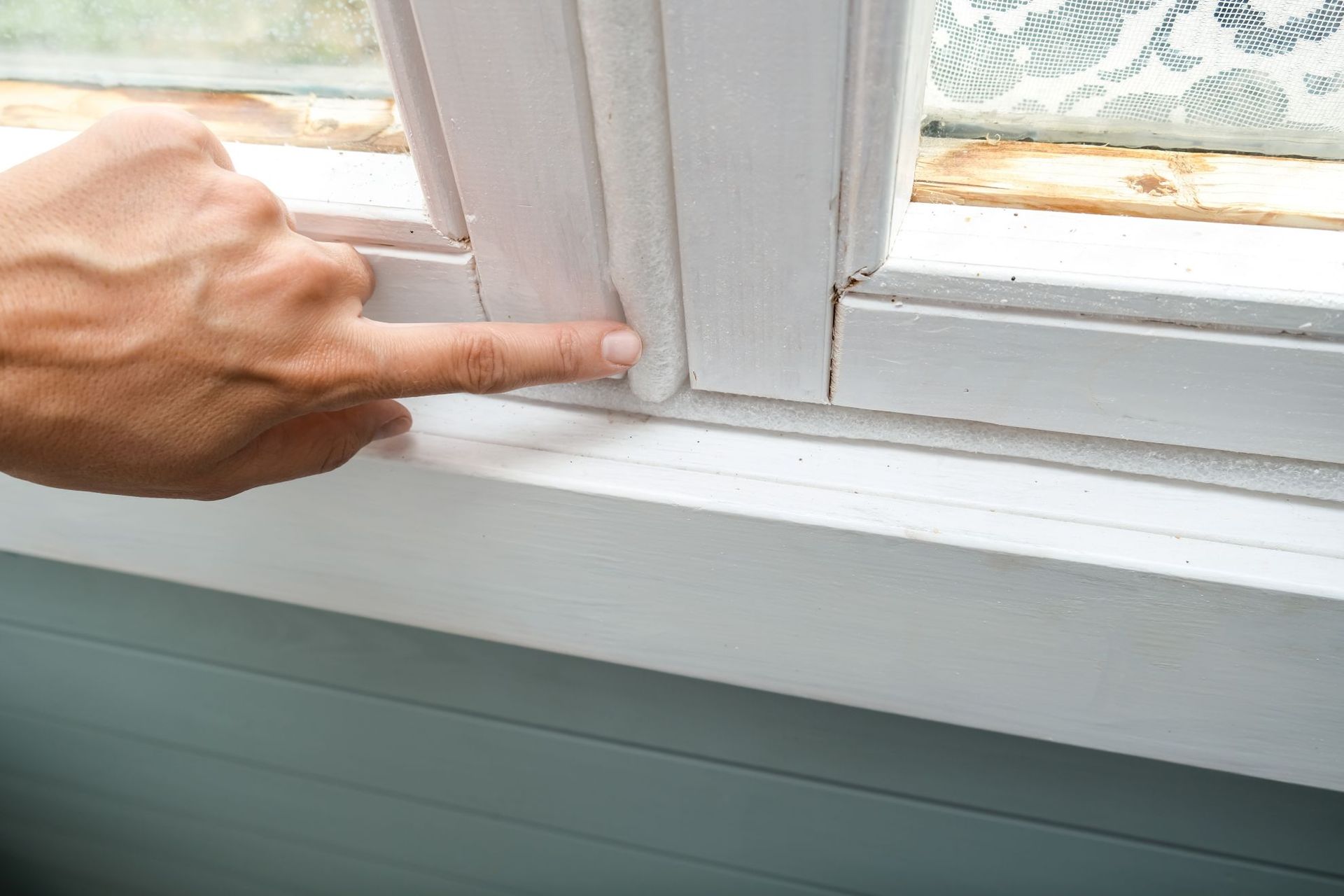
What Proper Sealing and Insulation Accomplish
Technicians inspect the bottom seal for compression damage, perimeter strips for gaps where the door meets the frame, and panel joints for air leakage between sections. Replacing worn seals involves removing old rubber that has hardened or torn, cleaning mounting channels, and installing new weatherstripping designed to maintain flexibility across a wide temperature range. Threshold seals are added at the floor line to create a barrier against water intrusion during heavy rain.
After installation, cold drafts no longer flow under the door or through frame gaps, and the garage maintains more consistent temperatures regardless of outdoor conditions. Homeowners notice less dust accumulation inside the space, reduced humidity that protects tools and stored items, and lower energy costs if the garage shares a wall with conditioned living areas. The door closes flush against new seals without leaving visible gaps along the bottom or sides.
In Northwest Georgia, humidity and seasonal temperature swings accelerate seal deterioration, especially on doors exposed to direct sun or frequent rain. Insulation upgrades complement sealing improvements by reducing heat transfer through door panels, which matters for garages used as functional workspaces or connected to climate-controlled rooms.
Common Questions About Weather Seals and Insulation
Addressing air leaks and thermal performance helps extend the garage's usability while protecting its contents from outdoor conditions.
How often do garage door weather seals need replacement?
Bottom seals typically last three to five years depending on UV exposure, temperature extremes, and how often the door operates, while perimeter strips may last longer if protected from direct weather contact.
What causes weather seals to fail prematurely?
Prolonged sun exposure hardens rubber compounds, freezing temperatures make seals brittle and prone to cracking, and debris caught under the door tears the material during closing cycles.
Can you add insulation to an existing non-insulated garage door?
Retrofit insulation kits are available for some door models, but effectiveness depends on panel construction, and adding weight may require spring tension adjustments to maintain proper balance and opener function.
What R-value should garage door insulation have?
Insulation values between R-8 and R-16 provide meaningful thermal improvement for attached garages in Rome, with higher values justified when the space is heated, cooled, or used as a workshop.
Will new weather seals reduce garage noise?
Seals reduce wind noise and block outdoor sound transmission to some degree, though operational noise from the door itself depends primarily on roller type, track condition, and opener vibration isolation.
LCG Doors LLC replaces worn weather seals and upgrades insulation to improve garage comfort and protect stored belongings from outdoor conditions. Arrange a consultation to assess current seal condition and discuss insulation options for your specific door configuration.